HackYourFuture
Improving clarity, navigation, and user journeys across a multi-stakeholder website
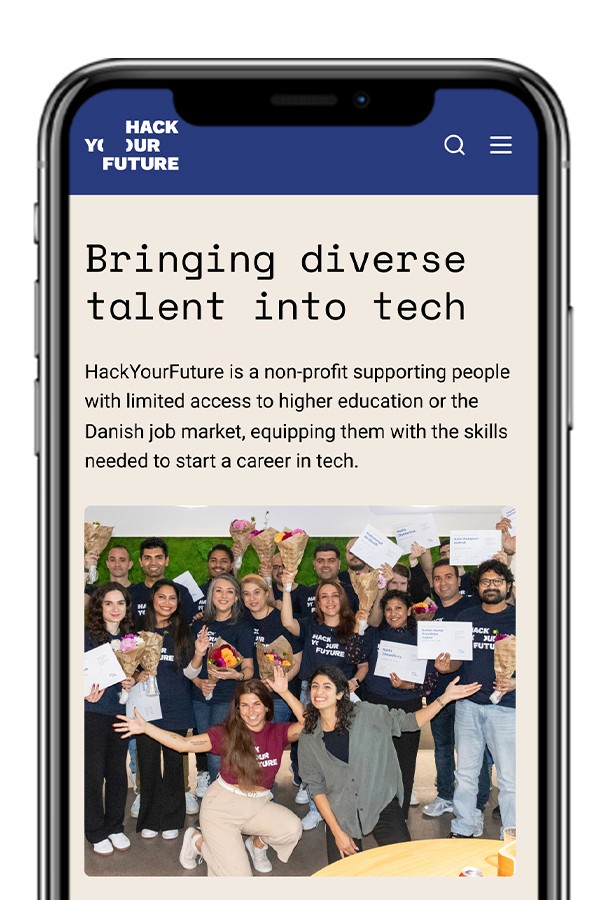
HackYourFuture is a nonprofit supporting people with limited access to the job market in building careers in tech. The platform serves multiple user groups — trainees, volunteers, employers, and partners — but lacked clarity, making it difficult for users to take action.
Client
HackYourFurure (via Knowit)
Role
UX Designer
Industry
Education/Nonprofit (NGO)
Tools
Figma, Jira, Slack, Power Point
Date
March 2026
Design Process
Project Kick-off & Alignment
User Research
Insight Definition
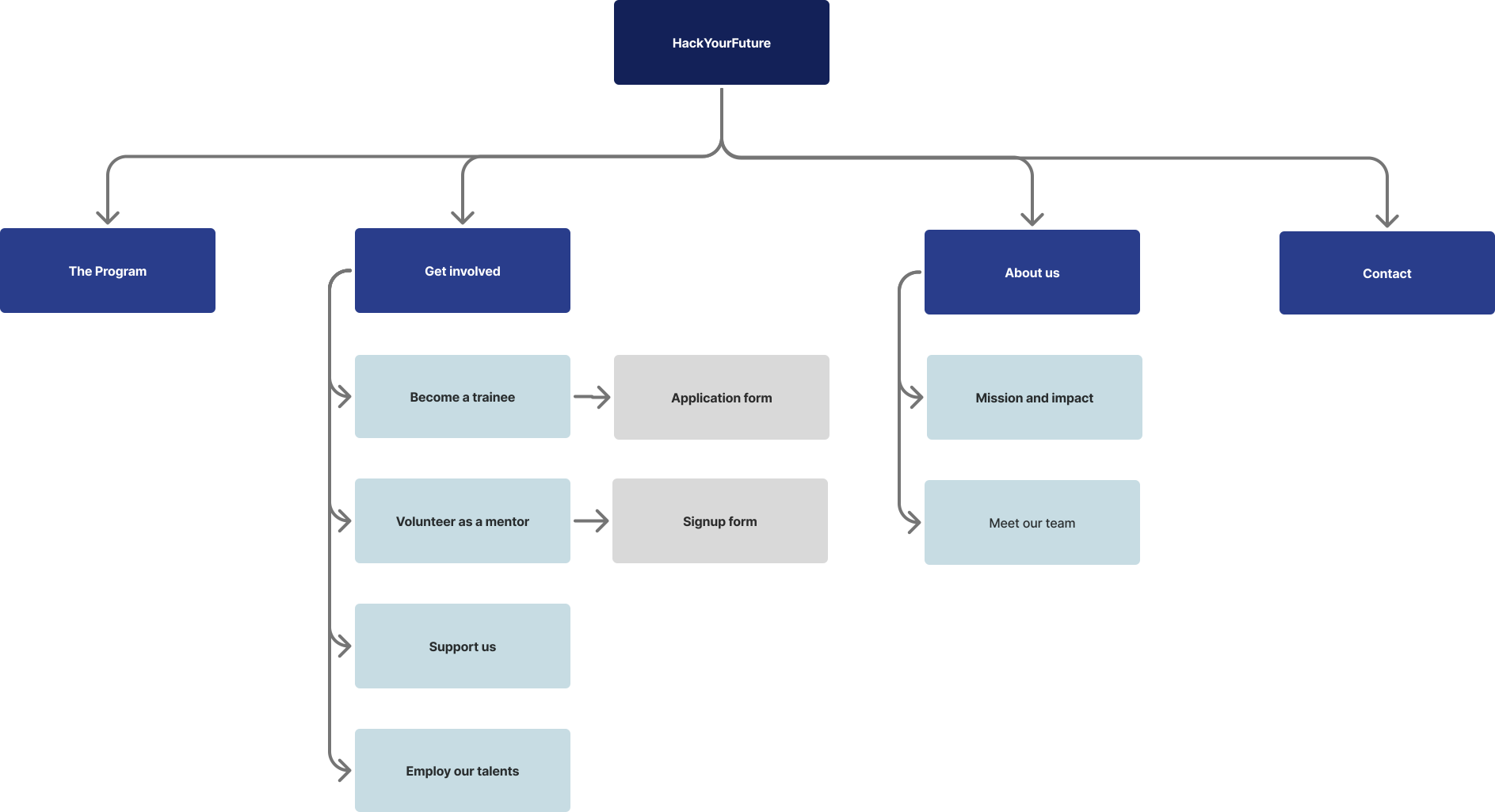
Information Architecture (IA)
Interaction & UI Design
Validation & Iteration
Results
Improved navigation clarity
Increased ease of finding key information
Strengthened user trust
Problem
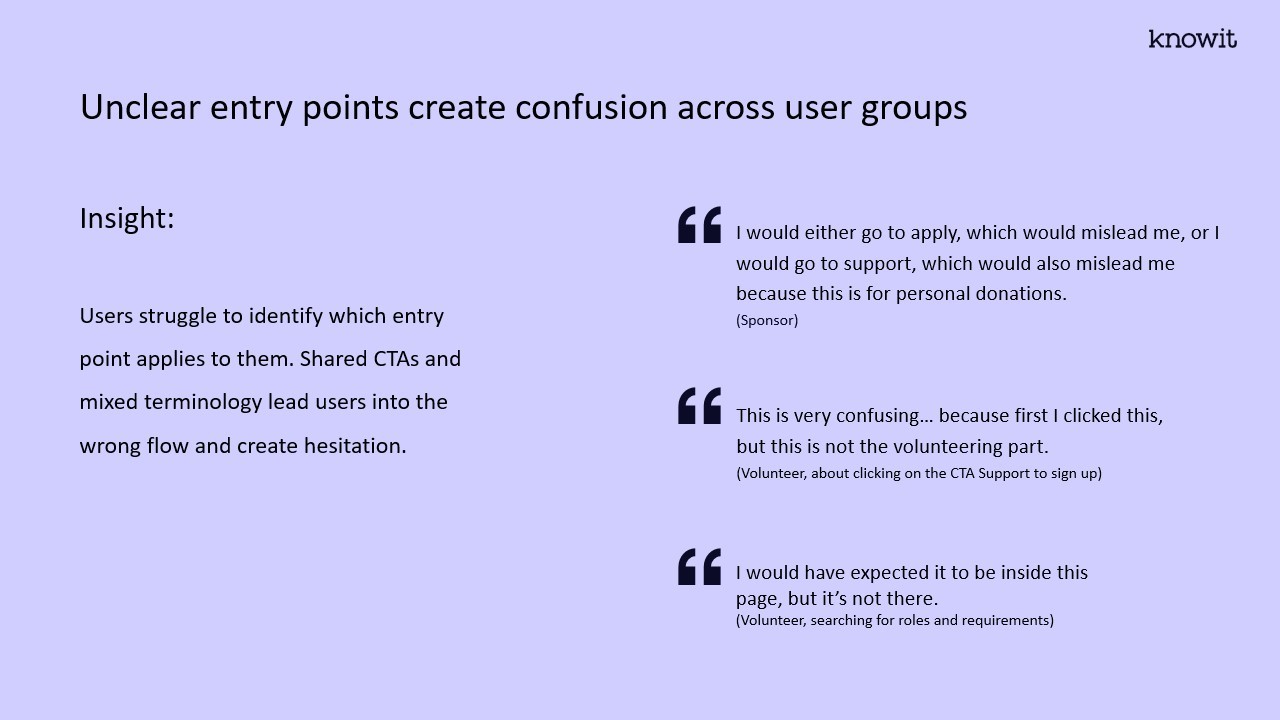
Users struggled to understand where to start, navigate between different paths, and find key information. This created confusion and reduced trust, making it harder for users to take action.
My Role
UX Designer (Internship at Knowit) • Conducted user research (interviews, usability testing, heuristic evaluation) • Defined information architecture • Designed key user flows and navigation structure • Contributed to UI decisions and prototyping • Iterated based on user testing and stakeholder feedback
Key Insights
• Users could not identify clear entry points • Navigation did not match user mental models • Key information was missing or hidden • Lack of clarity reduced confidence and trust
Solution
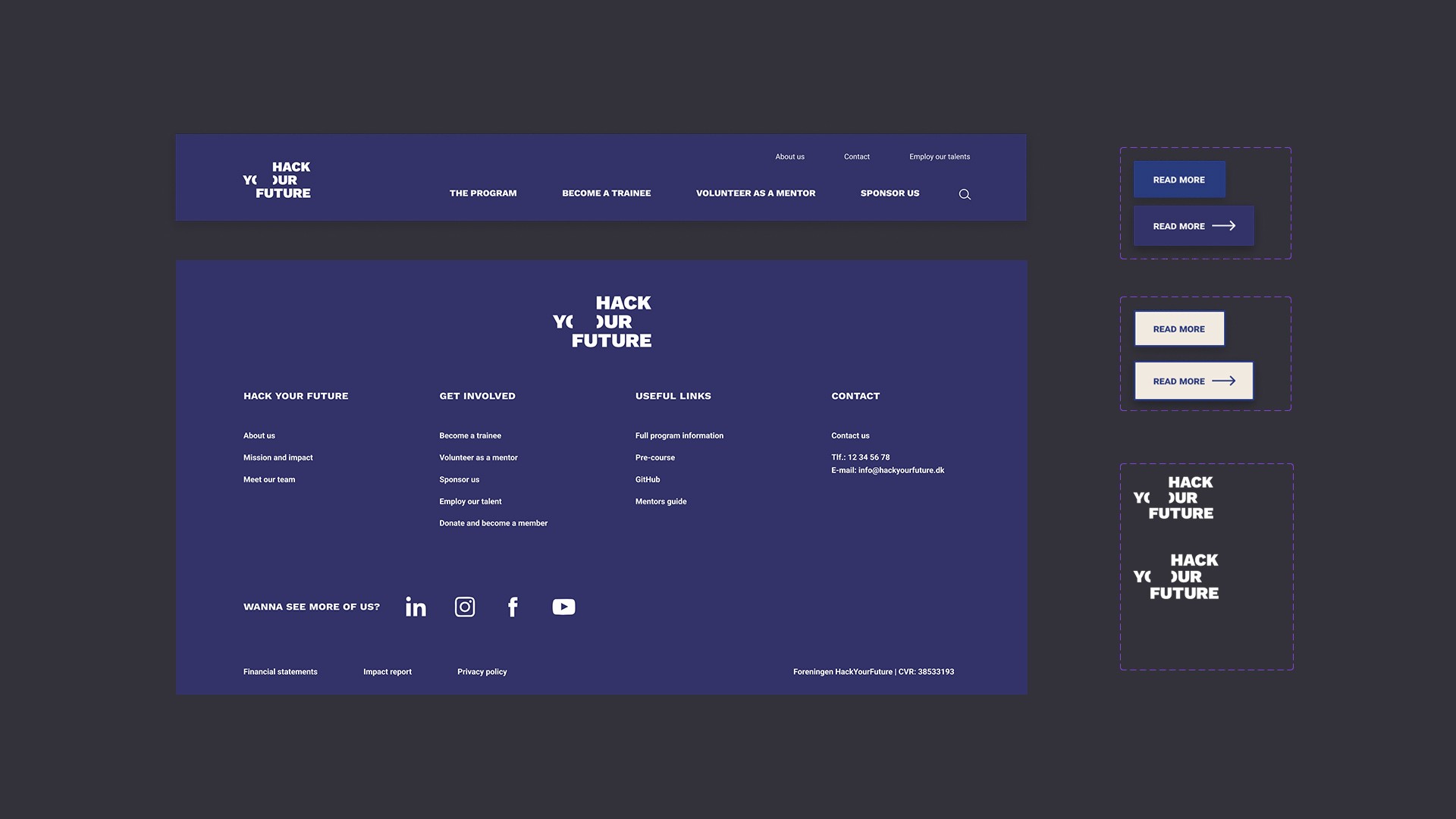
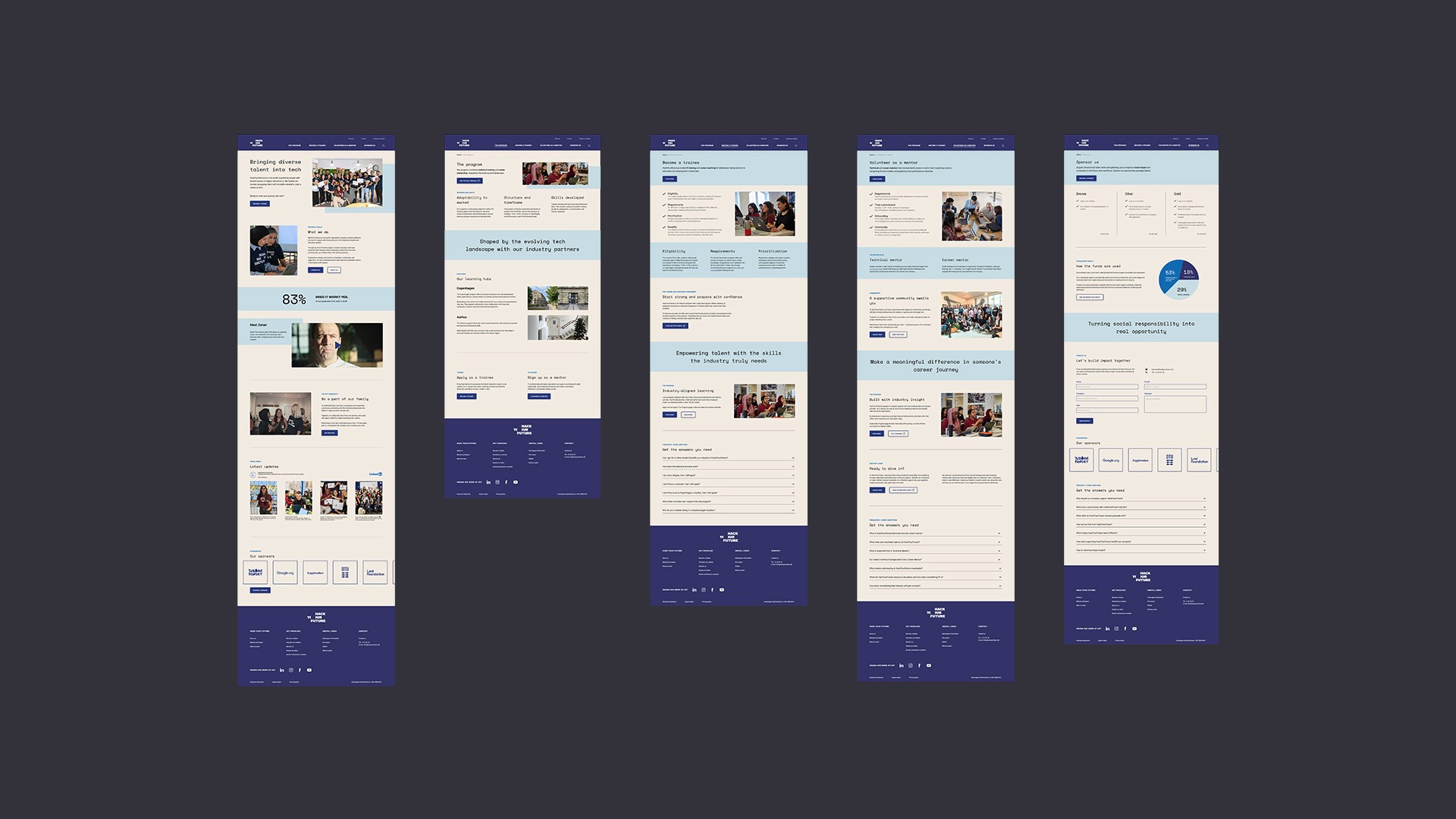
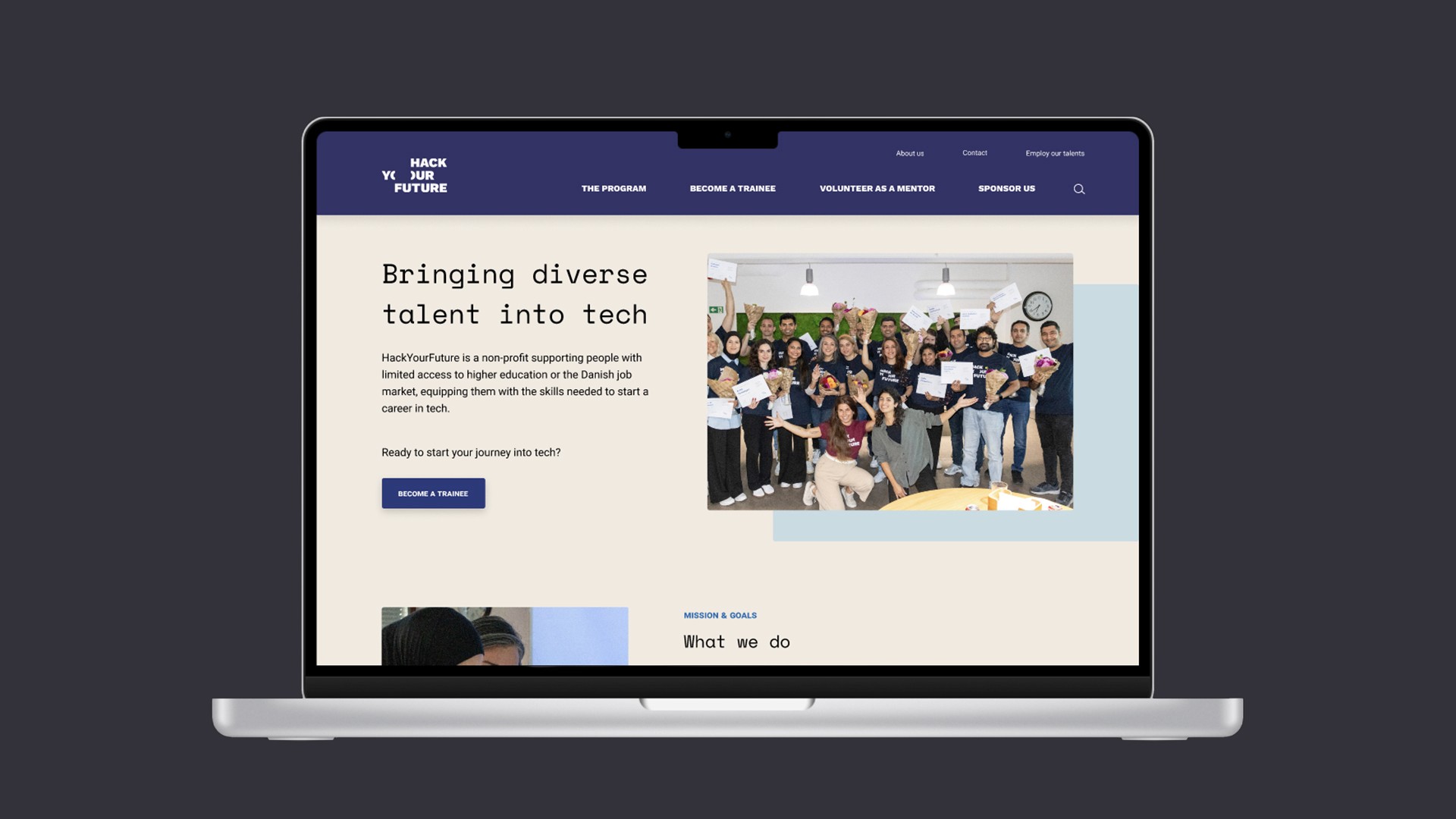
I redesigned the website to create clearer, more structured user journeys by: • Simplifying navigation and defining clear entry points for each user group, addressing the lack of direction users experienced when first entering the site • Restructuring the information architecture to align with user expectations, reducing cognitive load and improving findability • Surfacing key information and clarifying the value proposition, enabling users to quickly understand what HackYourFuture offers and how to engage • Designing consistent interaction patterns and stronger calls-to-action, guiding users more effectively toward key actions such as applying or volunteering • Improving consistency across flows, increasing predictability and strengthening user confidence
Impact
• Users understood where to start faster • Navigation became more intuitive and predictable • Key actions (e.g. sign-up) became easier to complete • Increased perceived trust in the platform User feedback: “This was actually very easy to sign up.”
What I Learned
Designing for multiple stakeholders requires balancing different needs without overwhelming users. Clear structure and entry points are critical to building trust and enabling action.